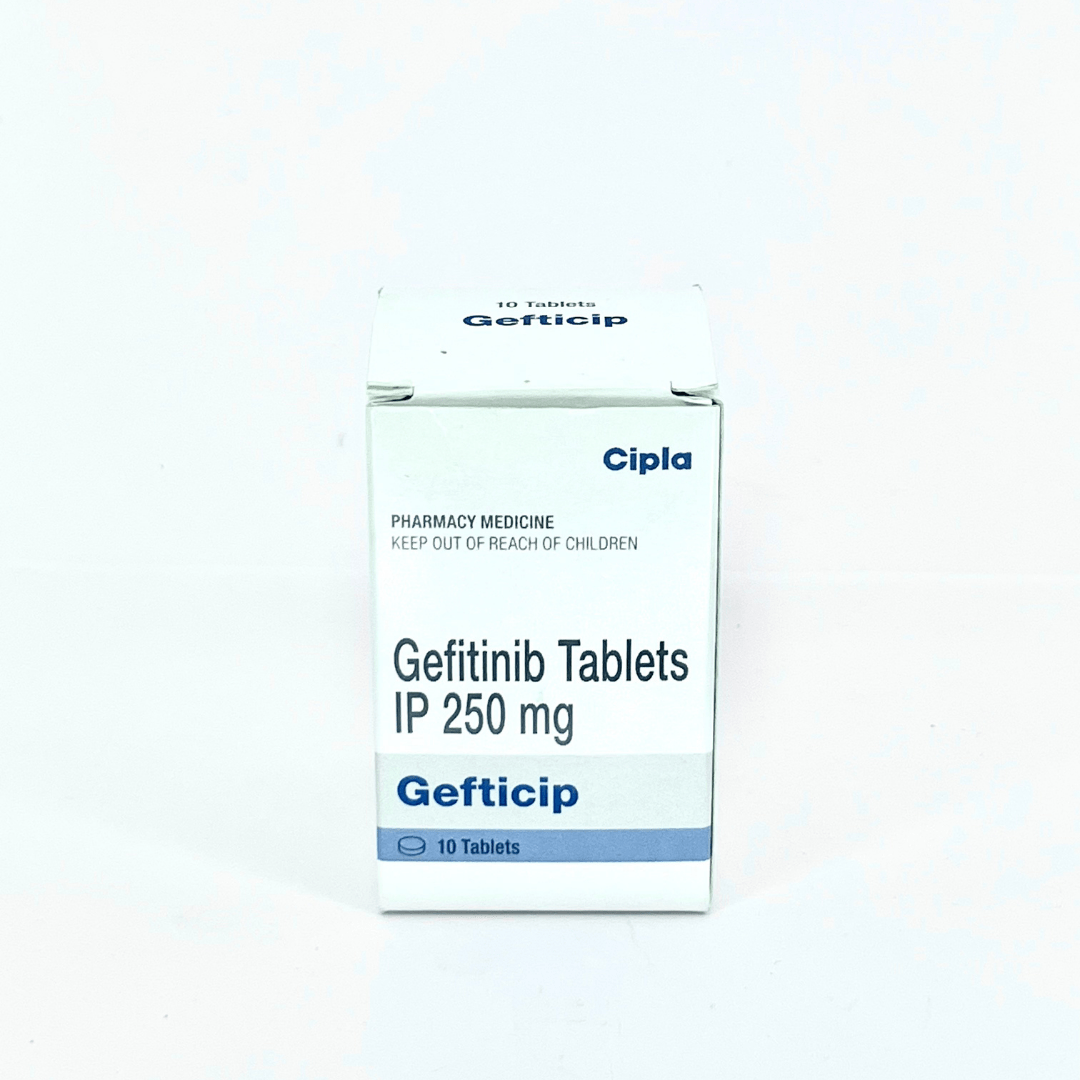
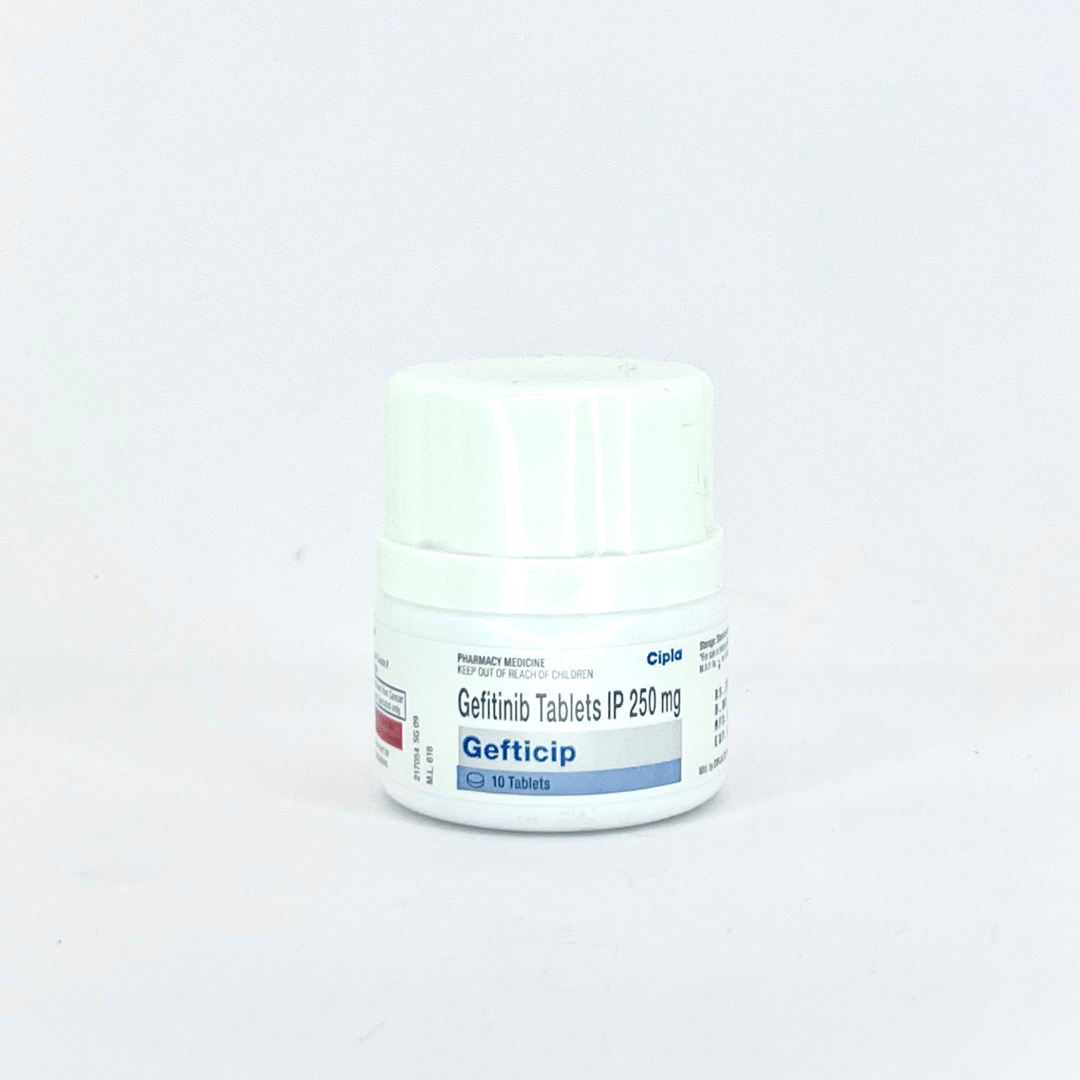
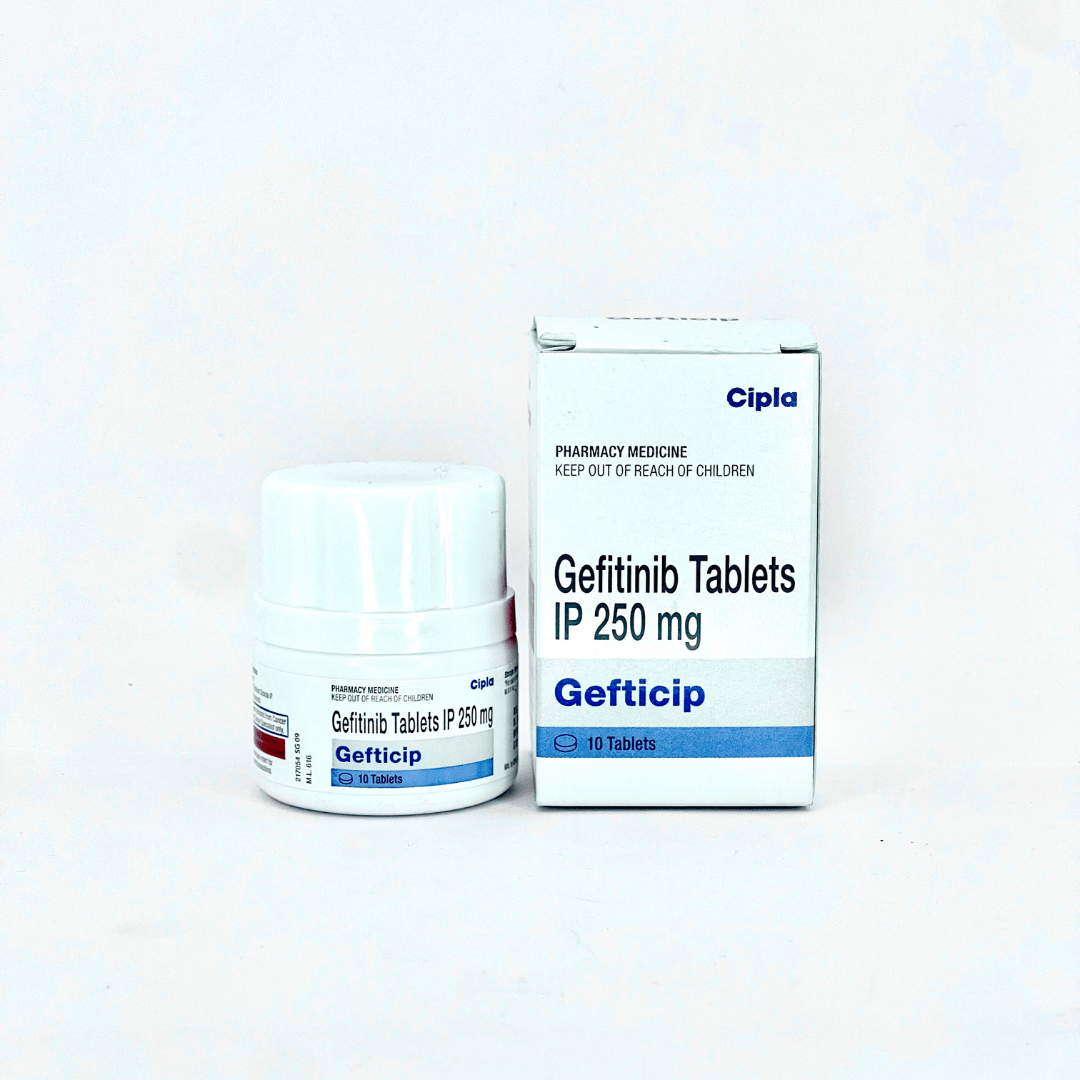



Buy Gefticip 250mg Tablet Online
About Gefticip 250mg Tablet
Salt : Gefitinib (250mg)
Product Introduction
Gefticip Tablet should be taken in a dose as recommended by the doctor. You should continue to take it as long as your doctor advises for it. The duration of treatment varies according to your need and response to treatment. Your doctor may advice for regular monitoring of liver function while your taking this medicine.Common side effects include diarrhea, dry skin, loss of appetite, and nausea. Drink plenty of fluids to reduce the risk of side effects. Inform your doctor if any of the side effects bother you or get worse. In case you develop ulceration in mouth, changes in your vision, or breathing difficulties than it is better to inform the doctor.
Women who are undergoing treatment should use effective contraception method. It is important to avoid pregnancy during the treatment and for a month after completing the course of medicine. Let your doctor also know about all the other medications you are taking.
Uses of Gefticip Tablet
- Lung cancer
Benefits of Gefticip Tablet
In Non-small cell lung cancer
Side effects of Gefticip Tablet
Common side effects of Gefticip
- Diarrhea
- Dry skin
- Loss of appetite
- Nausea
- Rash
- Vomiting
- Weakness
- Weight loss
- Eating disorder
- Allergic reaction
How to use Gefticip Tablet
How Gefticip Tablet works
Safety advice

Pregnancy

Gefticip Tablet is unsafe to use during pregnancy as there is definite evidence of risk to the developing baby. However, the doctor may rarely prescribe it in some life-threatening situations if the benefits are more than the potential risks. Please consult your doctor.

Breast Feeding
Gefticip Tablet is probably unsafe to use during breastfeeding. Limited human data suggests that the drug may pass into the breastmilk and harm the baby.
Lungs

It is unknown whether Gefticip 250mg Tablet can be used for patients with lung problems. Consult your doctor if you have any lung diseases before starting the treatment.
Liver
Gefticip Tablet is probably safe to use in patients with liver disease. Limited data available suggests that dose adjustment of Gefticip Tablet may not be needed in these patients. Please consult your doctor.

Alcohol
It is unsafe to consume alcohol with Gefticip Tablet.

Driving
Gefticip Tablet may cause side effects which could affect your ability to drive.
What if you forget to take Gefticip Tablet?
Quick tips

- Gefticip Tablet helps treat non-small cell lung cancer that is locally advanced, or has spread to other areas of the body.
- Take it with or without food, preferably at the same time each day.
- Do not take antacids (to reduce the acid level of your stomach) 2 hours before or 1 hour after taking this medicine.
- Diarrhea may occur as a side effect. Drink plenty of fluids and inform your doctor if it doesn’t stop or if you find blood in your stools.
- Use a reliable contraceptive method to prevent pregnancy while you are taking this medicine and for a month after you stop taking it.
- Inform your doctor if you develop ulceration in your mouth, changes in your vision or if you experience a worsening cough, shortness of breath, or breathing difficulties while taking this medicine.
- Your doctor may want you to have regular blood tests to monitor your liver function while you are having treatment with this medicine.
Side Effects of Gefticip 250mg Tablet
Side effects are unwanted symptoms caused by medicines. Even though all drugs cause side effects, not everyone gets them.
Common
- diarrhea
- nausea
- vomiting
- loss of appetite
- weakness
- red or sore mouth
- increased liver enzymes
- itchy or cracked skin
- dry mouth
- red or itchy eyes
- nail problems
- hair loss
- fever
- blood in the urine and burning sensation while urinating
Word of Advice
Gefticip 250mg Tablet is not recommended for children and adolescents below 18. It is advisable to monitor your blood pressure regularly during this treatment. Avoid high-fiber foods and drink lots of fluids if you have severe diarrhea. Antacids should not be used two hours before or one hour after taking this Tablet. Avoid driving and operating heavy machinery if you feel tired or weak during this treatment.
FAQs
Q 1. What are the Tablet side effects?
Diarrhea, nausea, vomiting, loss of appetite, weakness, red or sore mouth, increased liver enzymes, itchy or cracked skin, dry mouth, dry, red or itchy eyes, nail problems, hair loss, fever, nosebleed, blood in the urine and burning sensation while urinating are the common Gefticip 250mg Tablet side effects.
Q 2. Is Tablet targeted therapy?
Yes, Gefticip 250mg Tablet is a targeted drug therapy that helps to treat advanced non-small-cell lung cancer (NSCLC).
Q 3. Who should not use Tablet?
Gefticip 250mg Tablet is not indicated for children and adolescents under the age of 18. It should not be used in people who are allergic to this drug, as well as pregnant or breastfeeding women.
Q 4. Is it safe for women of reproductive potential to use Tablet?
Gefticip 250mg Tablet are not recommended for use during pregnancy and breastfeeding. Tell your healthcare provider before starting this treatment if you are pregnant, think you might be pregnant, breastfeeding, or planning to have a baby.
Q 5. What should I avoid while taking Tablet?
It is advised to avoid taking an antacid or stomach acid-reducing medication within two hours before or one hour after taking a Gefticip 250mg Tablet.
Fact Box of Tablet
| Molecule name: Gefitinib | Therapeutic class: Antineoplastics |
| Pharmacological class: tyrosine kinase inhibitors | Indications:
1.Non-small cell lung cancer |
References
- Accord Healthcare SLU, Electronic medicines compendium (emc), [Revised on Feb 2021] [ Accessed on 01st March 2023], https://www.medicines.org.uk/emc/files/pil.7235.pdf
- Fresenius kabi, US Food and Drug Administration, [Revised on Dec 2018] [Accessed on 01st March 2023], https://www.accessdata.fda.gov/drugsatfda_docs/label/2018/208109s001lbl.pdf
- Goodman & Gilman’s, The Pharmacological Basis of Therapeutics, Treatment of disorders of bowel motility and water flux, 12th edition, 2011, 1341.
- KD Tripathi, Essentials of Medical Pharmacology, Antiemetic, prokinetic and digestant drugs, 7th edition, 2013, 669.